Why Professional Mold Remediation Saves Time and Money in Belleair Shores
Mold doesn’t just damage your home—it spreads silently, compromising air quality and structural integrity. In our humid Florida climate, DIY fixes often fall short, while professional remediation stops the problem at its source. We’ve seen firsthand how early intervention saves Belleair Shores homeowners from costly repairs and health risks down the line.
The Hidden Costs of Ignoring Mold in Coastal Homes
Belleair Shores’ proximity to the Gulf means higher humidity and frequent storms—ideal conditions for mold growth. What starts as a small patch behind drywall or under flooring can multiply rapidly, compromising indoor air quality.
Left unchecked, mold degrades building materials like drywall, insulation, and wood framing. Replacing these components after extensive damage is far costlier than addressing the issue early with targeted remediation.
Why DIY Mold Removal Often Fails
Household bleach or store-bought sprays may kill surface mold, but they don’t reach the roots embedded in porous materials. Without proper containment, disturbing mold releases spores into the air, worsening the infestation.
Improper drying or missing hidden moisture sources—common in attics or crawl spaces—leads to recurrence. Professionals use moisture meters and thermal imaging to locate leaks or condensation that DIY methods overlook.
Disturbing mold without containment can expose your household to mycotoxins, triggering allergies, respiratory issues, or long-term health effects. Always prioritize safety.
How Professional Remediation Works: A Step-by-Step Advantage
We begin with a thorough mold inspection and air quality testing to identify the species and extent of the infestation. This data guides our remediation plan, ensuring we target the root cause—not just the visible symptoms.
Containment is critical. We use negative air pressure and physical barriers to prevent spores from spreading to unaffected areas during removal. HEPA filtration captures airborne contaminants, protecting your family and our team.
Tools and Techniques That Set Pros Apart
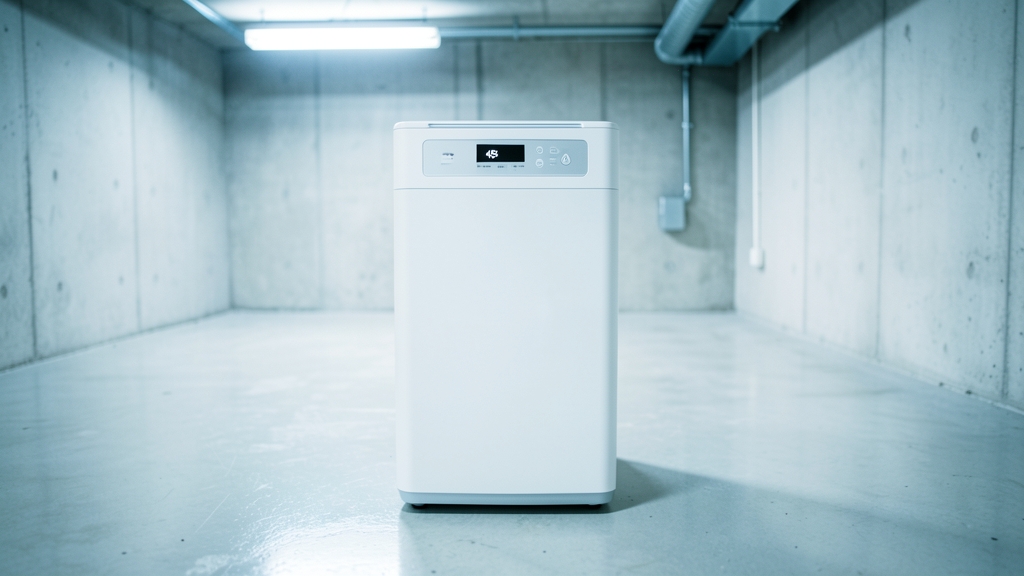
Industrial-grade dehumidifiers and air movers accelerate drying, while antimicrobial treatments prevent regrowth on non-porous surfaces. For porous materials like drywall or insulation, removal and replacement are often necessary to ensure complete eradication.
Advanced equipment like moisture meters and borescopes helps us detect hidden mold in wall cavities or HVAC systems—common culprits in Largo and Clearwater homes with older ductwork.
| Task | DIY Tools | Professional Tools |
|---|---|---|
| Detection | Visual inspection, household flashlight | Moisture meters, thermal imaging, air quality tests |
| Containment | Plastic sheeting (if any) | Negative air machines, HEPA filtration, sealed barriers |
| Removal | Bleach, scrub brushes | HEPA vacuums, antimicrobial cleaners, controlled demolition |
| Prevention | Household fans, dehumidifiers | Commercial-grade dehumidifiers, encapsulation, moisture control systems |
Long-Term Savings: Preventing Recurrence and Structural Damage
Professional remediation includes moisture control strategies tailored to your home. In Belleair Shores, this might mean upgrading ventilation in bathrooms or addressing poor drainage around the foundation.
By eliminating the moisture source, we prevent mold from returning. This proactive approach saves homeowners in Indian Rocks Beach and Belleair Beach thousands in potential repairs to flooring, walls, and HVAC systems.
Keep indoor humidity below 60%—ideally between 30-50%—to inhibit mold growth. A hygrometer is a simple tool to track levels in problem areas like basements or attics.
Health and Safety: Protecting Your Household
Mold exposure can cause coughing, sneezing, skin irritation, and aggravate asthma or immune disorders. Vulnerable groups—children, the elderly, and those with respiratory conditions—are at higher risk.
Our team uses PPE (personal protective equipment) and follows EPA and IICRC guidelines to minimize exposure during remediation. Post-remediation clearance testing confirms the air is safe to breathe.
Commercial Mold Remediation: A Different Scale
Businesses in Clearwater or Largo face unique challenges with larger spaces, shared HVAC systems, and higher occupancy. Mold in commercial properties can lead to liability issues, lost revenue, and reputational damage.
We scale our approach for offices, retail spaces, and multi-unit buildings, using rapid-response teams to minimize downtime. Containment and air filtration are even more critical in these environments.
How to Prepare for Professional Mold Remediation
A little prep work ensures the process is smooth and effective.
- 1Clear the Affected Area
Remove furniture, decor, and personal items from the workspace. This allows our team unobstructed access and reduces the risk of cross-contamination.
- 2Turn Off HVAC Systems
Shut down heating or cooling systems to prevent spores from spreading through ductwork to other parts of your home.
- 3Address Water Sources
If you’ve identified leaks or standing water, take steps to stop the flow (e.g., shut off water valves). Our team will handle the rest during remediation.
- 4Plan for Temporary Relocation
For extensive infestations, especially in living areas, consider staying elsewhere during remediation. This is particularly important for sensitive individuals.
- 5Communicate with Our Team
Share any known history of water damage, past mold issues, or health concerns. This helps us tailor our approach to your specific needs.
Frequently Asked Questions
How long does professional mold remediation take in Belleair Shores?
Timelines vary based on the infestation’s size and location. A small, contained area may take 1-2 days, while larger or hidden mold (e.g., in crawl spaces or attics) can require a week or more. Drying time and clearance testing add to the schedule.
Can mold return after professional remediation?
If the moisture source isn’t addressed, mold can recur. Our process includes identifying and fixing the root cause—whether it’s a leak, poor ventilation, or high humidity—to minimize this risk. Regular inspections and moisture control are key.
Is mold remediation covered by homeowners insurance?
Coverage depends on your policy and the cause of the mold. If the mold results from a covered peril (e.g., a burst pipe), your insurance may pay for remediation. However, mold due to neglect or long-term humidity issues is often excluded. We recommend checking with your provider.
What’s the difference between mold removal and mold remediation?
Mold removal refers to eliminating visible mold, while remediation is a comprehensive process that includes containment, cleaning, moisture control, and prevention. Remediation addresses the root cause to ensure mold doesn’t return.
Do you offer mold testing and air quality testing separately?
Yes. We provide standalone mold inspection and air quality testing services to identify hidden mold or confirm the presence of spores. This is especially useful for home buyers, renters, or those suspecting an issue but not yet seeing visible signs.
How do I know if my Belleair Shores home has a mold problem?
Common signs include musty odors, visible mold growth (black, green, or white patches), water stains, or peeling paint. Unexplained allergies, respiratory issues, or condensation on windows can also indicate a hidden mold issue. When in doubt, a professional inspection provides clarity.