How Mold and Mildew Spread Differently in Your Belleair Shores Home
Mold and mildew thrive in Belleair Shores’ humid, coastal climate, but they behave very differently. While mildew stays on surfaces, mold penetrates materials, often hidden until it causes serious damage. Understanding their spread helps you act before small issues become costly remediation projects.
Mildew: The Surface Invader
Mildew is a type of mold, but it grows only on surfaces—think shower tiles, window sills, or outdoor decks. It appears as a powdery or downy white, gray, or yellowish patch.
In Belleair Shores, mildew flourishes on damp, organic materials like wood, fabric, or paper. It’s easier to clean but signals excess moisture that could invite deeper mold growth.
Scrub mildew with a bleach solution (1 cup bleach to 1 gallon water) for non-porous surfaces. For porous materials like drywall, call our team for testing—it may already be mold.
Mold: The Hidden Destroyer
Mold digs into porous materials like drywall, insulation, and wood framing. It spreads via airborne spores and thrives in dark, damp areas—common in crawl spaces, attics, and behind walls after water damage.
Left unchecked, mold weakens structural integrity and degrades indoor air quality. In coastal areas like Belleair Shores, Largo, or Clearwater, high humidity accelerates its growth, often unseen until it’s widespread.
Key Differences in Growth Patterns
Mildew requires consistent surface moisture and is often visible early. Mold, however, can grow in hidden pockets of moisture from leaks, condensation, or poor ventilation.
Mold also produces mycotoxins in some species (like Stachybotrys, or 'black mold'), posing health risks. Mildew is mostly an aesthetic and odor nuisance.
| Feature | Mildew | Mold |
|---|---|---|
| Growth Depth | Surface-level | Penetrates materials |
| Appearance | Powdery or downy | Fuzzy, slimy, or dark stains |
| Health Risk | Low (mostly allergies) | Moderate to high (respiratory issues, mycotoxins) |
| Common Locations | Bathrooms, kitchens, decks | Walls, crawl spaces, attics, HVAC systems |
| Removal Difficulty | DIY for non-porous surfaces | Professional remediation often required |
Why Belleair Shores Homes Are Vulnerable
Our subtropical climate means warm, humid air year-round. Add frequent rain, storm surges, or even minor roof leaks, and you’ve got ideal mold conditions.
Older homes in Belleair Beach or Indian Rocks Beach often lack modern moisture barriers. Newer builds can still trap moisture in poorly ventilated attics or crawl spaces, especially after water damage.
A persistent musty smell often means hidden mold. Even if you don’t see it, spores may be circulating through your HVAC system. Request a quote for mold testing and air quality assessment.
How Spores Travel Through Your Home
Mold and mildew spores hitch rides on air currents, pets, or even your clothing. HVAC systems can distribute spores from a crawl space in Largo to every room in your Belleair Shores home.
Spores settle on damp surfaces and germinate within 24–48 hours. That’s why controlling humidity and fixing leaks quickly is critical.
The Role of Water Damage and Poor Ventilation
Water damage—from storms, plumbing leaks, or even high humidity—creates the perfect breeding ground. In attics, poor ventilation traps heat and moisture, leading to mold on sheathing or insulation.
Crawl spaces in Belleair Shores often lack vapor barriers. Without proper encapsulation, ground moisture seeps in, feeding mold on joists and subflooring.
When to Call a Professional for Mold Remediation
DIY cleaning works for small mildew patches. But if you see mold covering more than 10 square feet, or suspect it’s in HVAC ducts, walls, or crawl spaces, professional remediation is essential.
Our team uses containment barriers, HEPA filtration, and antimicrobial treatments to safely remove mold and prevent regrowth. We also address the root moisture issue to stop future outbreaks.
Signs You Need Professional Help
- Mold returns after cleaning
- Visible mold in HVAC systems or ductwork
- Water damage or staining on walls/ceilings
- Persistent musty odors
- Health symptoms (coughing, headaches, allergies) improve when away from home
How to Prevent Mold and Mildew Spread in Humid Climates
Proactive steps can save you from costly remediation and health risks.
- 1Control Indoor Humidity
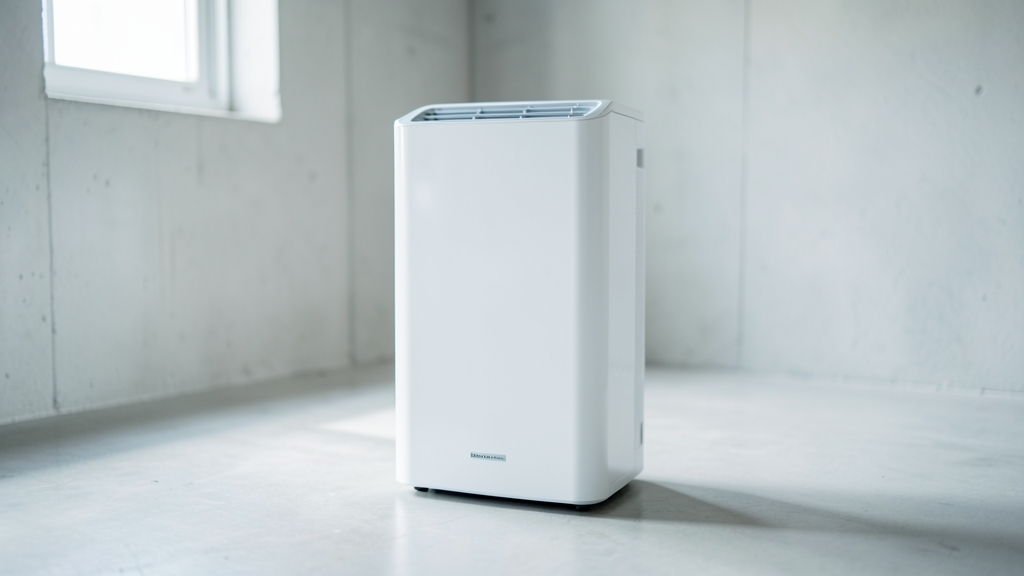
Use dehumidifiers to keep indoor humidity below 60%. In Belleair Shores, aim for 30–50% in air-conditioned spaces. Empty and clean dehumidifier tanks regularly.
- 2Fix Leaks and Water Intrusion Immediately
Inspect roofs, pipes, and windows for leaks. Even small drips can lead to mold in drywall or insulation within days.
- 3Improve Ventilation
Install exhaust fans in bathrooms and kitchens. Ensure attics and crawl spaces have proper ventilation. Consider a whole-house fan for older homes in Clearwater or Largo.
- 4Use Mold-Resistant Materials
For renovations, opt for moisture-resistant drywall, paint, and insulation—especially in bathrooms, basements, and laundry rooms.
- 5Schedule Regular Inspections
Annual mold inspections and air quality testing can catch issues early. Focus on high-risk areas like attics, crawl spaces, and behind appliances.
Frequently Asked Questions
Can mildew turn into mold if left untreated?
Mildew itself won’t turn into mold, but the same conditions that allow mildew to grow—excess moisture and poor ventilation—will also support mold growth. Addressing mildew early helps prevent mold from taking hold.
Why is mold more common in Belleair Shores than in drier climates?
Belleair Shores’ coastal location means high humidity, frequent rain, and warm temperatures year-round—all ideal for mold. Homes here also face salt air, which can corrode materials and create entry points for moisture.
Is black mold the only dangerous type in Florida homes?
No. While Stachybotrys (black mold) is well-known, other molds like Aspergillus, Penicillium, and Cladosporium can also pose health risks. Any mold covering a large area or in HVAC systems should be professionally assessed.
How do I know if my HVAC system is spreading mold spores?
Signs include musty odors when the system runs, visible mold on vents or ductwork, or increased allergy symptoms indoors. Our mold testing and air quality testing can confirm spore levels and identify contamination sources.
What’s the difference between mold remediation and mold removal?
Mold removal is the physical act of cleaning or discarding moldy materials. Remediation goes further: it includes containment, air filtration, fixing the moisture source, and preventing recurrence. In Belleair Shores, remediation is often necessary for long-term solutions.
Can I paint over mold to hide it?
Never paint over mold. Paint won’t kill it, and the mold will continue to grow underneath, eventually causing the paint to peel and the problem to worsen. Always remediate the mold first, then repaint with mold-resistant products.