Why HEPA Air Purifiers Are Critical During Mold Removal in Belleair Shores
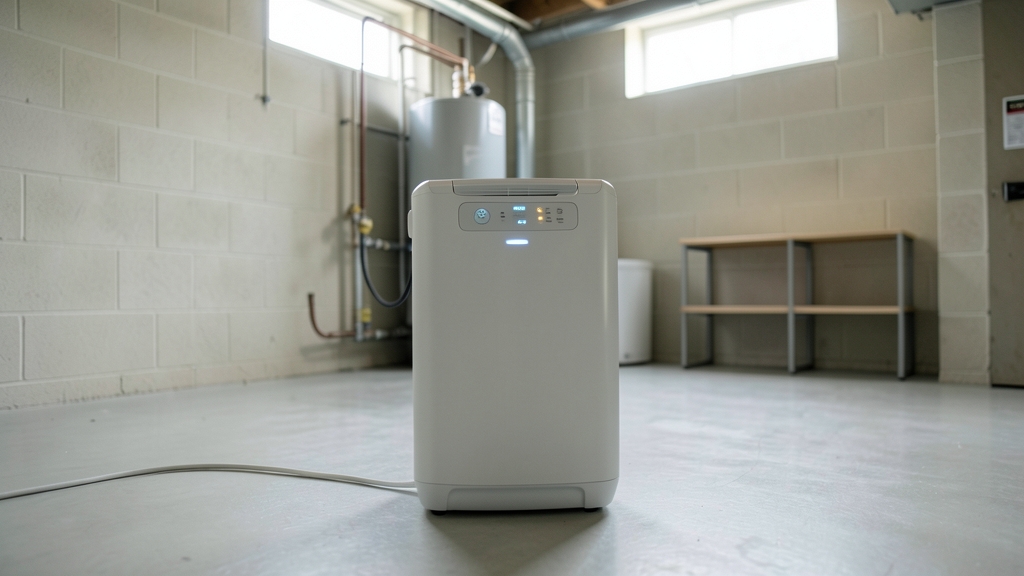
Mold remediation isn’t just about removing visible growth—it’s about controlling airborne spores that can spread contamination. In our coastal climate, HEPA air purifiers are a non-negotiable tool to protect indoor air quality during and after remediation. Without them, spores can reinfest cleaned areas or drift into living spaces.
How Mold Spores Spread in Coastal Homes
Florida’s humidity and frequent storms create ideal conditions for mold. Even a small water intrusion in Belleair Shores can release thousands of spores into the air within 48 hours.
These microscopic particles travel through HVAC systems, settling on surfaces in Belleair Beach or Largo homes. Without containment, they can colonize new areas before remediation even begins.
What HEPA Filtration Actually Captures
True HEPA filters remove at least 99.97% of particles as small as 0.3 microns. Mold spores typically range from 1 to 20 microns—well within HEPA’s capture range.
Unlike standard air filters, HEPA units trap not just spores but also mycotoxins and volatile organic compounds (VOCs) released by active mold colonies.
| Contaminant | Size Range (microns) | HEPA Capture Efficiency |
|---|---|---|
| Mold spores | 1–20 | 99.97%+ |
| Mycotoxins | 0.01–0.3 | Partial (varies by filter) |
| Dust mites | 10–400 | 99.97%+ |
| Pollen | 10–100 | 99.97%+ |
| Bacteria | 0.2–10 | 99.97%+ |
HEPA vs. Standard Air Filters in Remediation
Consumer-grade air purifiers with “HEPA-like” filters often fall short. True HEPA units used in professional remediation are rated for continuous, high-volume operation.
Standard HVAC filters (MERV 8–13) may catch larger spores but allow smaller ones to recirculate, risking cross-contamination between Clearwater and Indian Rocks Beach properties.
Ozone generators are sometimes marketed for mold but can damage lungs and materials. HEPA filtration is the safest, most effective method for spore removal.
Where HEPA Purifiers Fit in the Remediation Process
We deploy HEPA air scrubbers during containment to create negative air pressure. This prevents spores from escaping the work zone into clean areas of the home.
Post-remediation, portable HEPA units help maintain air quality while materials dry. This is critical in attic or crawl space jobs where residual moisture lingers.
Signs Your Home Needs HEPA Air Purification During Remediation
Visible mold growth on walls, ceilings, or under sinks is an obvious red flag. But musty odors—even without visible mold—often indicate hidden colonies in ductwork or behind drywall.
Increased allergy symptoms like sneezing, itchy eyes, or respiratory issues among occupants can signal elevated spore levels, common in older Largo or Belleair Shores homes with poor ventilation.
When to Use HEPA During Remediation
- Active mold growth is present
- Containment barriers are in place
- HVAC systems are running (to prevent spore spread)
- Post-remediation clearance testing is pending
- Occupants include immune-compromised individuals
Limits of HEPA Air Purifiers in Mold Control
HEPA units don’t address the root cause: moisture. Without fixing leaks, high humidity, or poor drainage, mold will return—even with top-tier filtration.
They also can’t clean porous materials like drywall or insulation. These often require removal and replacement, especially in water-damaged crawl spaces or attics.
HEPA purifiers work best alongside dehumidifiers, moisture meters, and professional-grade antimicrobial treatments for full remediation.
Commercial vs. Residential HEPA Needs in Pinellas County
Commercial properties in Clearwater or Largo often need industrial-grade HEPA systems with higher CFM ratings to handle larger spaces and higher spore loads.
Residential units are typically sufficient for single-family homes in Belleair Shores, but must be sized for the square footage and severity of contamination.
How to Choose a HEPA Air Purifier for Mold Remediation
Selecting the right unit ensures spores are captured efficiently without spreading contamination.
- 1Verify True HEPA Certification
Look for filters labeled as “True HEPA” or “Absolute HEPA.” Avoid “HEPA-type” or “HEPA-like” products, which lack the same efficiency.
- 2Match CFM to Room Size
Calculate the cubic footage of the space and choose a purifier with a CFM rating that provides at least 4 air changes per hour.
- 3Check for Sealed Systems
Ensure the unit has a sealed housing to prevent unfiltered air from bypassing the HEPA filter, which can happen in cheaper models.
- 4Prioritize Portability for Remediation
For active mold removal, select a portable, industrial-grade air scrubber with casters and handles for easy repositioning within containment zones.
- 5Consider Additional Filtration Stages
Units with activated carbon pre-filters can help capture VOCs and odors, which are common in mold-damaged properties.
Frequently Asked Questions
Do HEPA air purifiers kill mold spores?
No, HEPA filters trap but don’t kill spores. However, removing them from the air prevents recolonization. For active growth, professional remediation with antimicrobial treatments is required.
Can I use a HEPA purifier instead of professional mold removal in Belleair Shores?
HEPA purifiers are a critical *part* of remediation but can’t replace it. They don’t address hidden mold in walls, ducts, or crawl spaces, which requires expert inspection and removal.
How long should I run a HEPA purifier after mold remediation?
We recommend running it continuously for at least 24–48 hours post-remediation, or until clearance testing confirms spore levels are normal. In high-humidity areas, longer use may be needed.
Are HEPA air purifiers effective against black mold (Stachybotrys)?
Yes, HEPA filters can capture Stachybotrys spores, which are typically 4–12 microns in size. However, black mold often indicates severe water damage requiring professional remediation.
Can HEPA purifiers help with mold in my HVAC system?
HEPA purifiers can reduce airborne spores, but mold in ductwork requires professional HVAC cleaning or replacement. Without addressing the source, spores will continue to spread.
What’s the difference between an air purifier and an air scrubber?
Air purifiers are typically portable units for general air cleaning. Air scrubbers are heavy-duty, industrial machines used in remediation to filter large volumes of air and create negative pressure.